

Winter Issue 2013-14
|
Select Issue
Loading
|


 Print this page
Citation View Print this page
Citation View
Notes From Your Editor
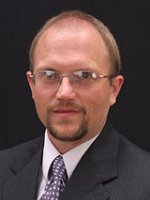
As the first brisk air of fall arrives, I find myself editing this new issue of the Kansas Music Review and
grading mid-term tests for my intro to music education class. The winter issue is
traditionally a celebration of great teachers throughout Kansas, as each of the district
reports introduces us to outstanding music educators and supporters of music education.
These people have shown themselves to be true professionals in the classroom and
throughout the state. But, what makes a professional? That was one of the questions on
my class' test. The text we use for my class spells out four traits of a profession educator.
As I reflect on these traits, I see them all in the district outstanding educators and in so
many other talented educators across our state.
First, professionals are highly educated. Music education degrees require more college credits than almost any other degree on a college campus. The degree is basically a double major in music and in education. Our teachers graduate from college highly qualified to teach. What's more, the professionals we celebrate in this issue are lifelong learners. These are the teachers who attend state and district conferences, take summer workshops, read journals, and ask questions of others. Second, professionals are committed to their work. They have a passion for what they do. Creating good music with children and helping them understand themselves through music is their life goal. Because of their passion for the profession, they can often be found at school on weekends and in the summer, or socializing with other passionate music educators. What they may not realize is that their passion for the students and the subject rubs off on their coworkers. Their students reflect their teachers' passion and the other teachers in the schools look to them for inspiration. Professionals make decisions. They make choices about what to teach and how to teach. The decisions they make are based on their students' needs and the important concepts of their discipline. Extra learning activities and trips are chosen with care and with specific learning goals in mind. Professionals do not need supervision. Finally, professionals have an organization that is mainly concerned with the advancement of the profession. You will see our outstanding music educators at the district conferences and at the state In-Service Workshop in February. You'll also see them in the summers at workshops and conventions with KBA, KASTA, KACDA, KOC, and KMEK. Not only will they be in attendance, but they will also be involved with leading and planning presentations as a way to pay it forward to the next generation of teachers. The five articles in this issue also relate to the four traits of a profession. Joe Shively's article provides ways to engage students in musical thinking in the context of performing ensembles. Jacob Crawford's article describes how he used Skype to bring in a well-known composer to work with his band from over a thousand miles away. Third, Maureen Butler provides wise advice for creating a classroom management plan that works for children with special needs. This article is the second in a series of articles dealing with special needs children in music classes. KMR will publish one special needs related article in each issue during the 2013-2014 and 2014-2015 school years. Next, Scott Iseminger has written an article reminding us of the value in behavior specific praise. Finally, Doug Orzolek, chair of the Society of Music Teacher Educators, shares his insights on the trends in teacher evaluation. As you read the articles, you will see evidence of educated, passionate, professionals making important teaching decisions for the good of our organization. I would also remind you that by choosing to read the KMR, you too are demonstrating a desire for life long learning, a passion for your profession, and involvement in KMEA. This is why I'm proud to work with so many outstanding educators in the state of Kansas. Return to top |
|